Conservation in East Africa has often excluded local communities while advancing externally driven agendas (Hazard & Adongo, 2015). Northern Kenya is a major conservation frontier with vast rangelands. The region accommodates intriguing biodiversity under pressure from climate change and human development, as well as encroachment by new settlers.
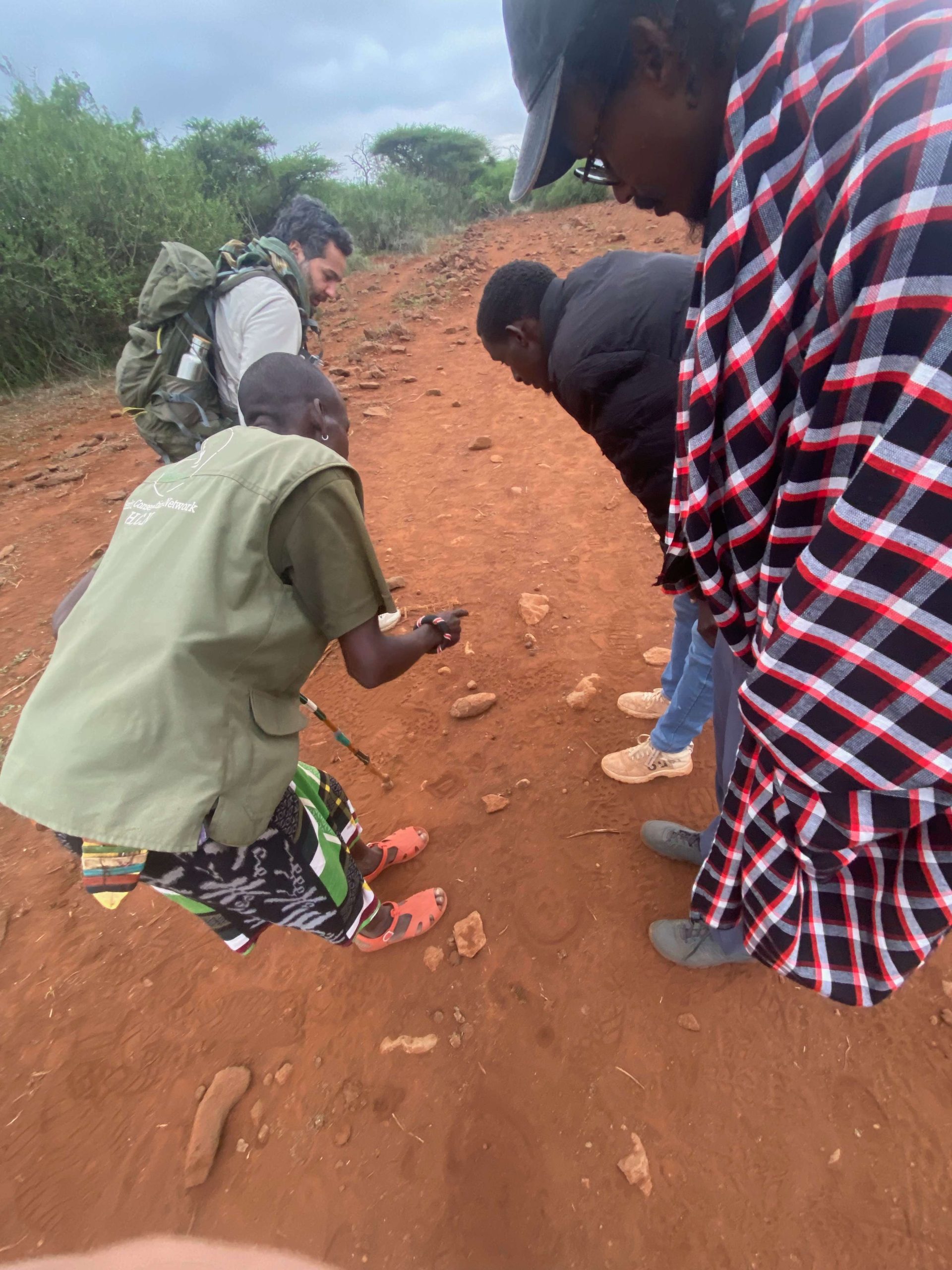
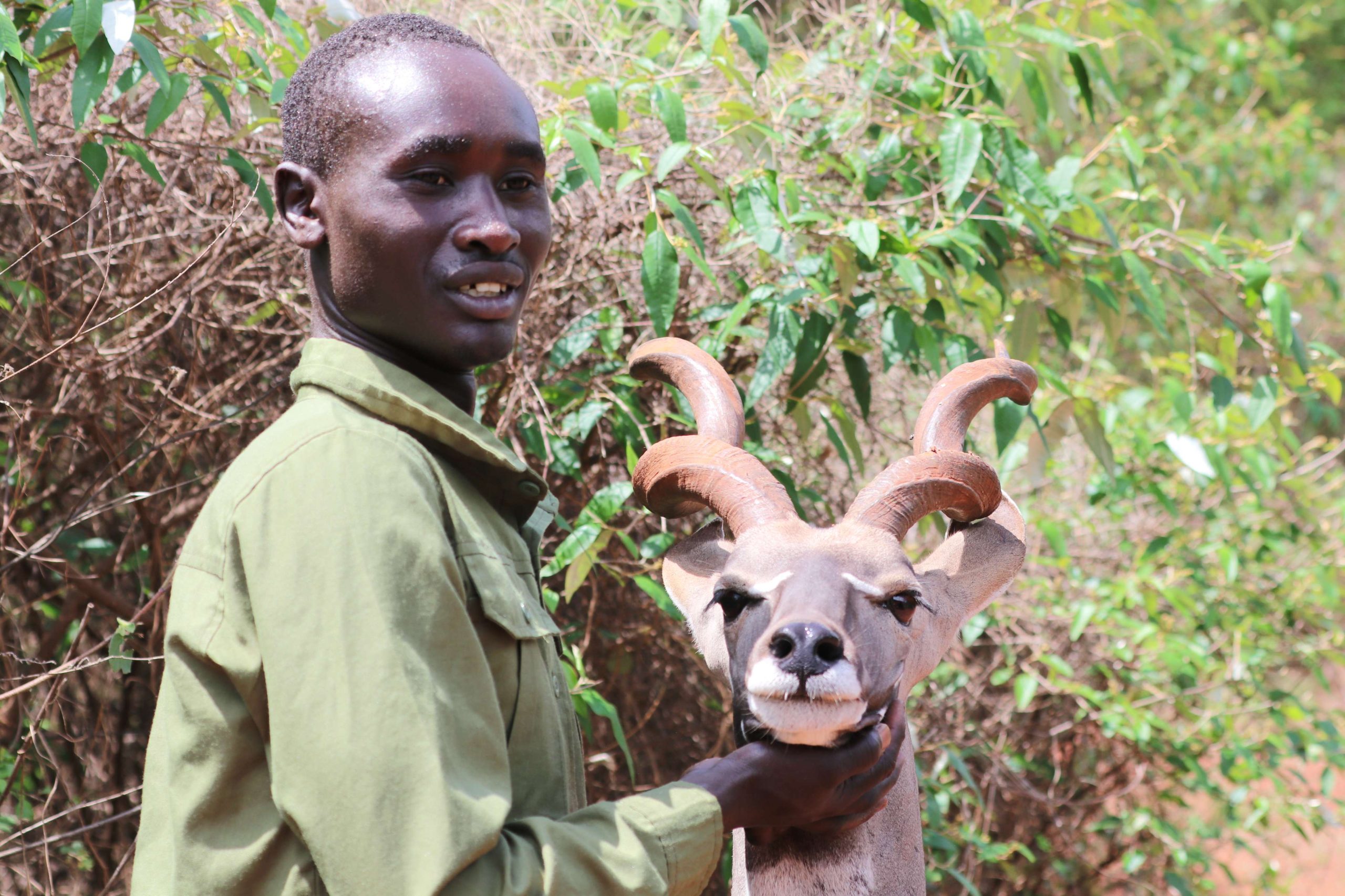
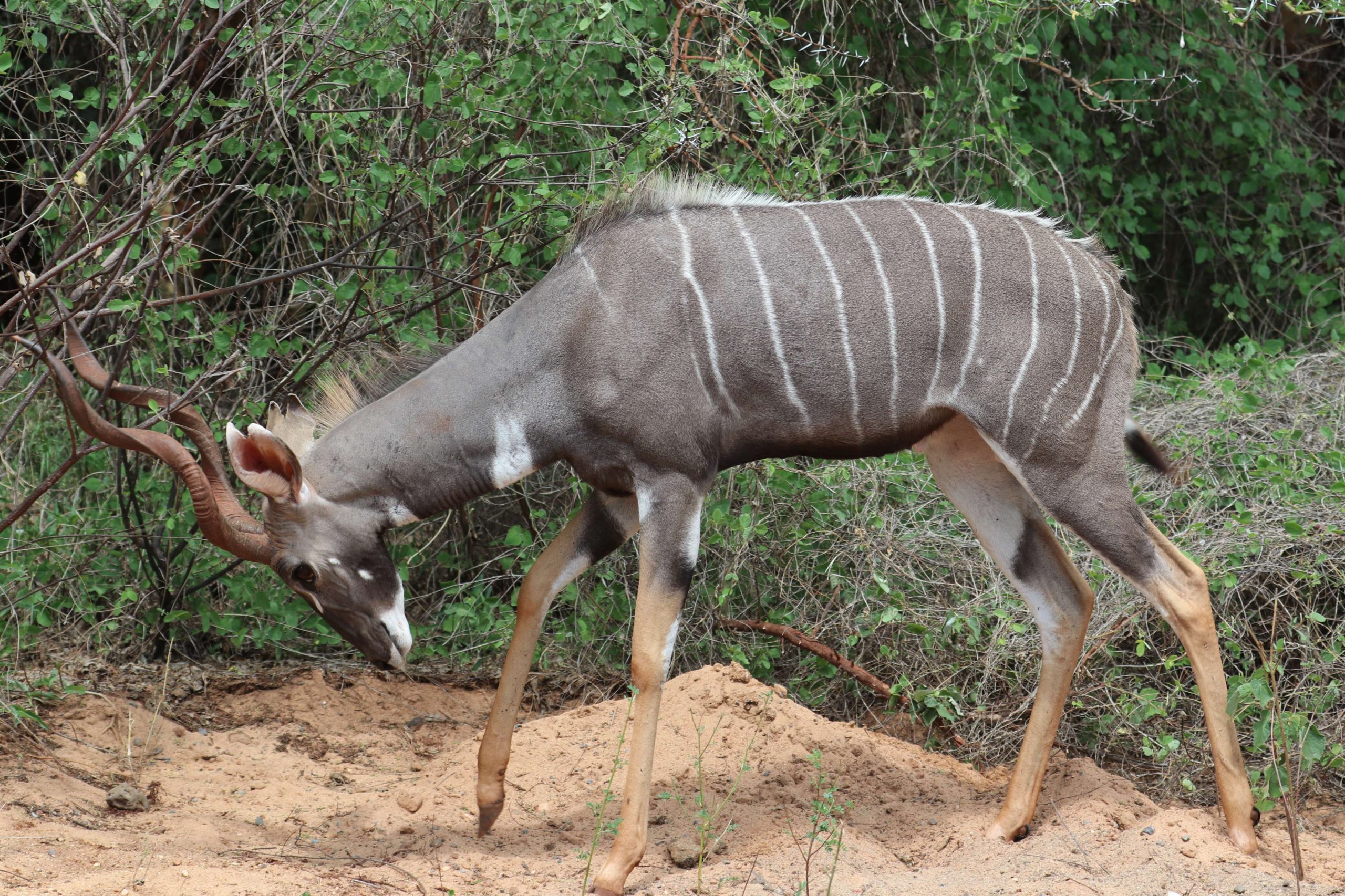
While Marsabit National Park has a strong wildlife management programme, outside the park, wildlife monitoring is led by Samburu communities (Leitoro, 2025). The local NGO Nature and People Together (NaPO) supports Herder-led monitoring. Herders use traditional knowledge and mobile phones’ tools to track wildlife. Via mobile phones they record and share their data in collaboration with Marsabit National Park . The collected data aims to support the development of thriving indigenous conservancies and to combat the effects of climate change by generating a more resilient landscape though continued investments in vegetation cover, grazing management, livestock marketing and benefit sharing (Mureithi et al., 2019).
Research activities
In the rangelands of Northern Kenya, herders have long been marginalized in conservation dialogues. Conservation partnerships and collaborations now value Indigenous knowledge and practices, such as with the Kenyan Wildlife Service and Marsabit National Park.
Indigenous voices are increasingly important in conservation governance. The role of ITTs are (finally) becoming increasingly important to the development of socially just and equitable conservation solutions, that fit with a range of area-based conservation designation. Experiences from Indigenous territories inform biodiversity reporting. They help shape indicators used in national biodiversity strategies. The project links community knowledge with policy processes under the Global Biodiversity Framework.
RESEARCH QUESTIONS
RQ1:
How do herder knowledge, practices and worldviews support landscape and wildlife conservation across multiple area-based conservation designations?
RQ2:
How do pastoral communities contribute to developing inclusive, effective and just conservation and livelihood opportunities alongside conservation partners
RQ3:
How does co-creation of conservation governance arrangements enable pastoral communities’ potential for affecting policy making?
Global and cross-cutting research
A postdoctoral researcher synthesises results across all four countries. The analysis will compares findings using shared research questions. It aims to identify similarities, differences, and transferable lessons. The focus is on renewing knowledge, practices, and worldviews under pressure.