Mexico hosts nearly 12% of the world’s biodiversity across a wide range of ecosystems, from deserts to tropical forests, and is home to more than 70 indigenous peoples’ groups, alongside several Afro-Mexican communities (INEGI, 2020). To preserve this diversity, conservation efforts, initiated with National Parks in the 1930s, have evolved toward more participatory and socially driven models. Today, Mexico protects around 100 million hectares of marine and land territories through 232 protected areas, mainly under co-management regimes, as well as 602 community-led voluntary conservation areas (SEMARNAT, 2025).
Particularly, protected areas pose several social-ecological challenges since they include large proportions of land that overlap with Indigenous groups and local communities’ territories, whose livelihoods inherently rely on environmental resources. Protected area governance has aimed to foster participatory spaces for local actor decision-making; however, numerous challenges including operational issues (e.g., lack of funding), access issues (e.g., parochialism, elite capture), representation issues (e.g., community or gender related exclusions), and power relation issues (e.g., powerful actors, discourses, institutions and organisational structures), still hinder the achievement of positive outcomes both for the ecological systems of protected areas and for the communities surrounding them (Legorreta et al. 2014; Durand, 2019; Oliva, 2020).
Research activities
In Mexico, the project aims to support Indigenous peoples’ groups and local communities involved in protected area settings by understanding their experiences and perceptions of power relations in the multi-level decision-making platforms. This will be conducted through a mixed-methods and transdisciplinary research approach focused on 1) the co-creation of knowledge, enabling more pluralistic interactions and research, as well as 2) the co-production of narratives aimed at empowering local communities, particularly those more marginalised; and 3) the co-development of strategies contributing to more adaptive and transformative governance arrangements.
The research will take a critical look at the existing ways of promoting, implementing and making decisions in protected areas by discussing who wants to conserve and how; whose narratives and discourses are being heard; who benefits and who loses in protected areas; and whether and how these have social and ecological implications. Reflecting on these questions will contribute to inform the fields of protected area governance and management, help identify key lessons learnt, and to improve our understanding of future scenarios of area-based conservation in Mexico. This is particularly important in light of global strategies such as Target 3 of the Kunming-Montreal Global Biodiversity Framework, which the Mexican government aims to achieve in 2030 by increasing conservation areas by 50 million hectares.
RESEARCH QUESTIONS
RQ1:
What kinds of power do protected areas exhibit and how do they relate to their effectiveness?
RQ2:
What organisational structures and discourses exercise power in protected area decision-making processes and how do they influence social-ecological dynamics and outcomes?
RQ3:
How do local communities perceive and experience power in the decision-making processes of protected areas and how can they influence collaborative agendas at local governance settings?
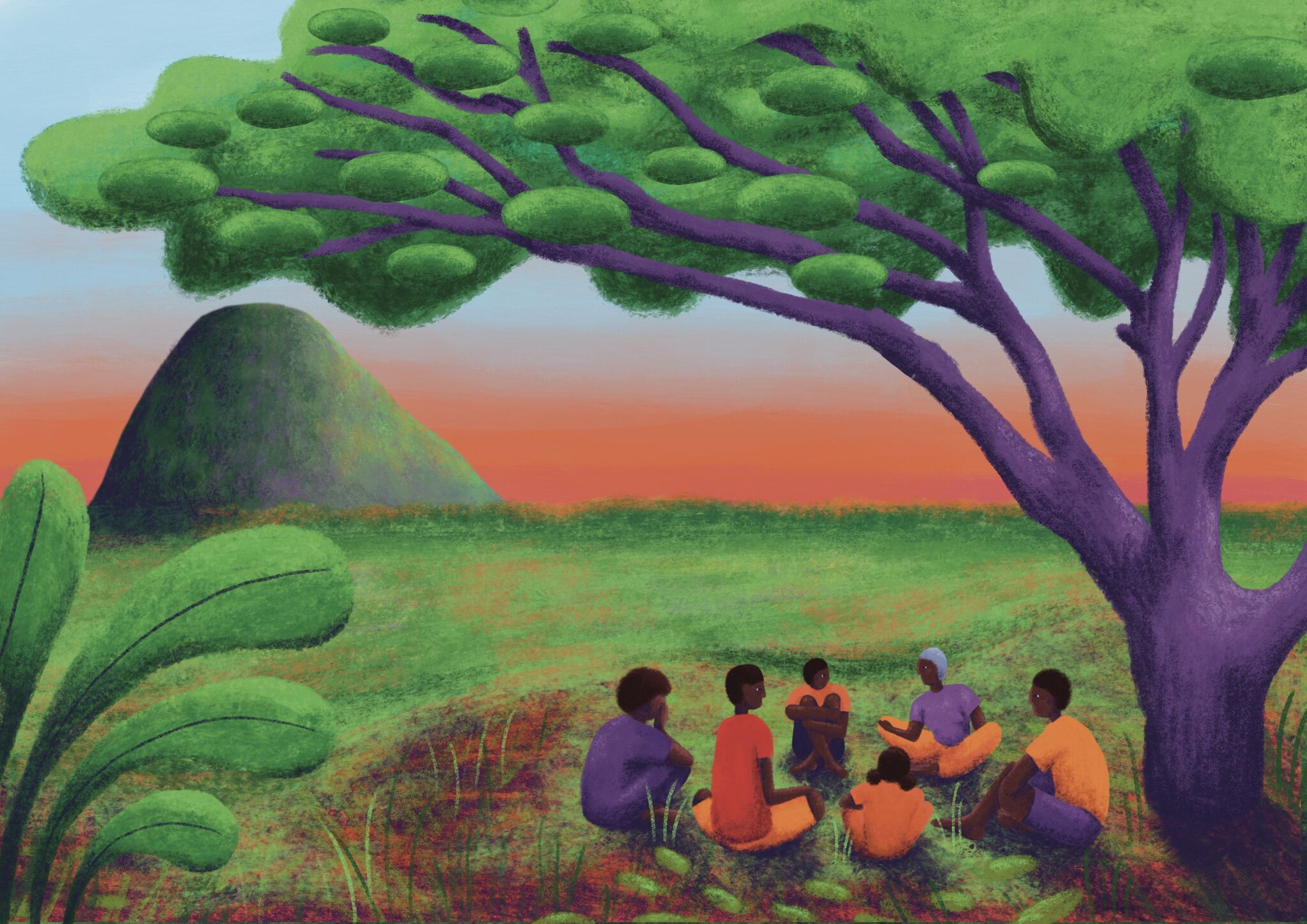
Around Gorongosa National Park, Filipa Oitavén researches how conservation organizations work with local communities — and how local knowledge and leadership can shape conservation.
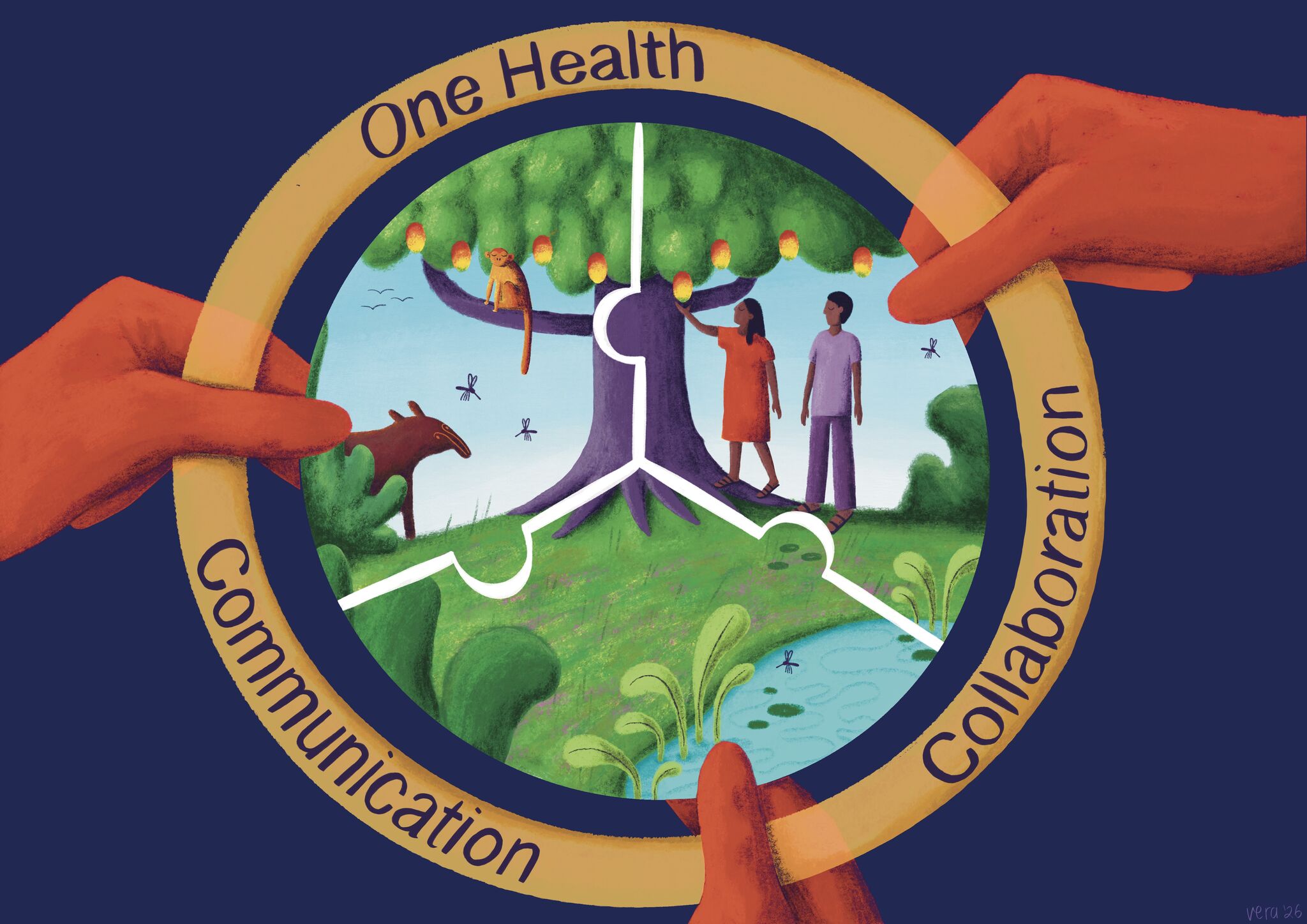
Astracia Warner works from a One Health perspective, researching mosquito-borne diseases and socio-ecological change with Indigenous communities in the Surinamese rainforest.
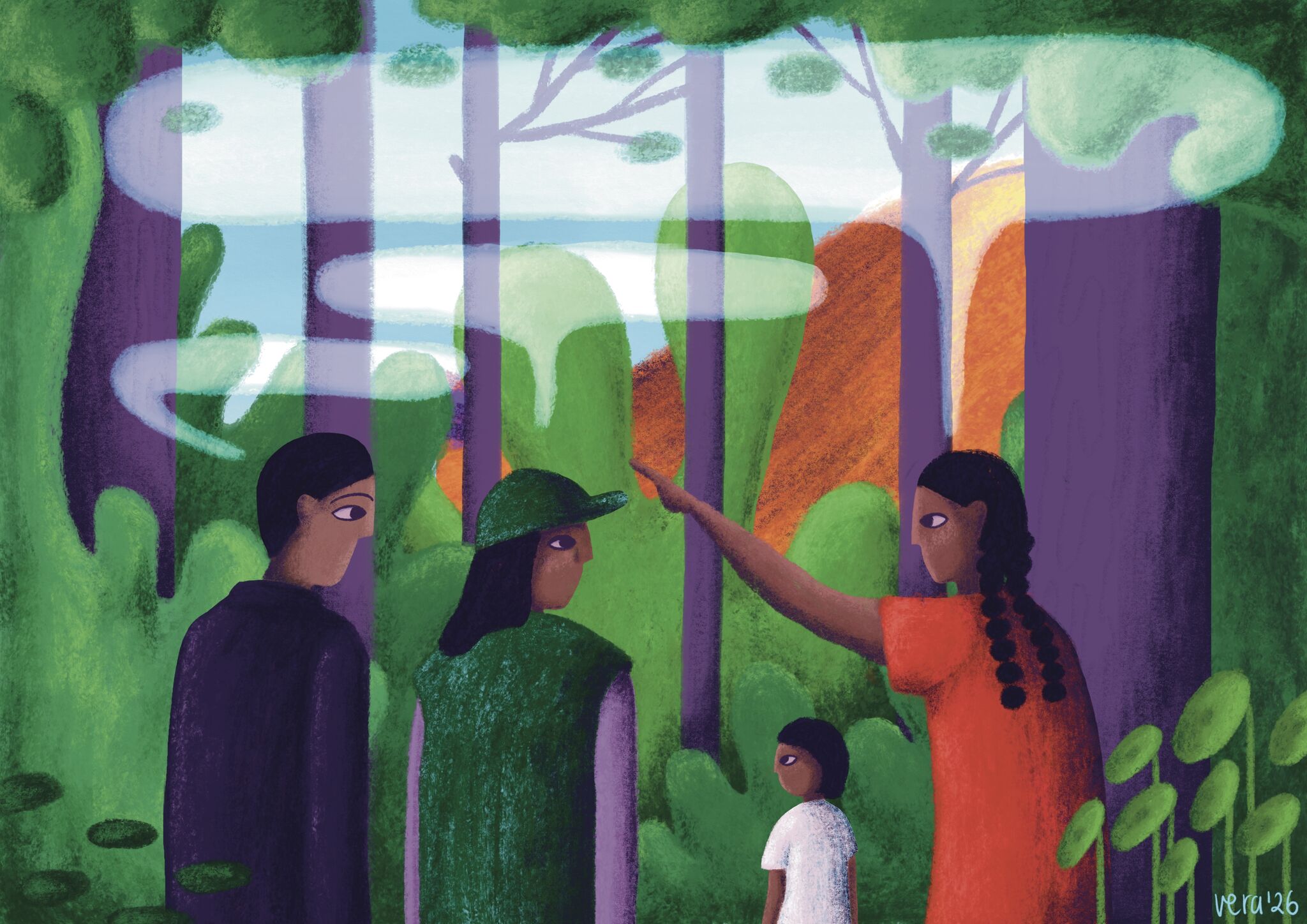
José María Casanova Celis expands ABC Futures to a fifth research country. His PhD applies a political ecology lens to power relations in protected area governance.
Around Gorongosa National Park, Filipa Oitavén researches how conservation organizations work with local communities — and how local knowledge and leadership can shape conservation.
Astracia Warner works from a One Health perspective, researching mosquito-borne diseases and socio-ecological change with Indigenous communities in the Surinamese rainforest.
José María Casanova Celis expands ABC Futures to a fifth research country. His PhD applies a political ecology lens to power relations in protected area governance.